
Crafted: Rebecca Roberts
Conversations with designers, architects and craftspeople on design, process and the stories behind their work.
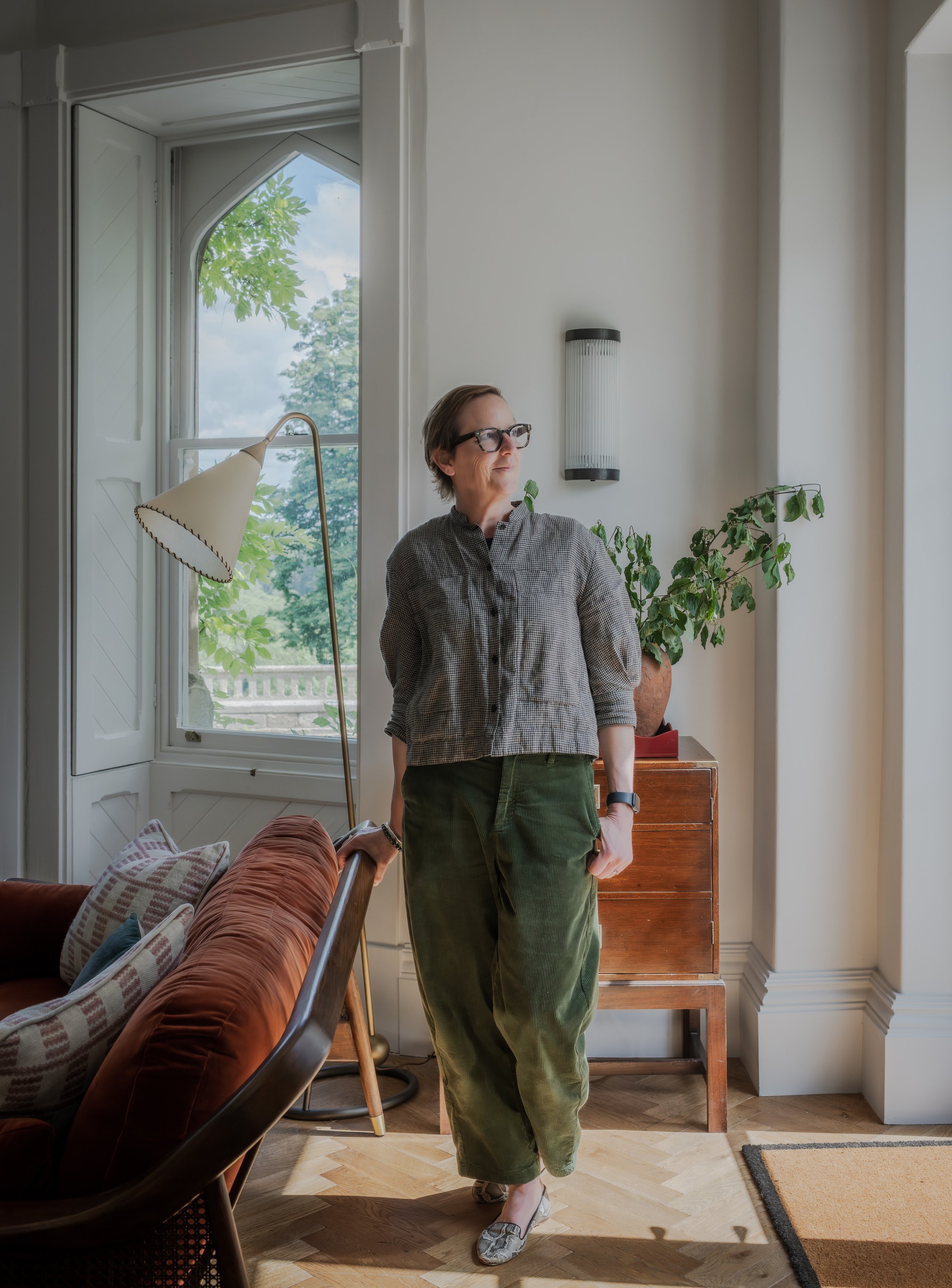
Photo by Paul Whitbread
For the first edition of Crafted, we spoke to interior designer Rebecca Roberts about the realities of designing homes that are both beautiful and deeply lived in. From her early days sourcing fabrics in New York to working on some of London’s best-known hospitality interiors, Rebecca reflects on the differences between designing hotels and homes, the emotional complexity of large-scale renovations, and why restraint, craftsmanship and longevity remain at the heart of her work.
Can you tell us a little about your background? What first led you into interior design, and how has your approach evolved over time?
I actually fell into interior design slightly accidentally while working as a nanny in New York. The mother of the family was an interior designer on the Upper East Side and used to send me off to the D&D Building sourcing fabrics and furniture – I loved it – and getting to see inside all those incredible apartments!
I returned to London and trained properly with Mary Fox Linton before going on to work with the late David Collins on some of London’s iconic restaurants and hotels. I then spent several years working in hospitality design, which took me all over the world – including five unexpected days in Mustique waiting for a shipping container full of furniture. There are definitely worse places to be stranded.
But over time, I realised residential projects were what I really loved. Hotels are often redesigned every five or seven years and can be quite trend-driven, whereas homes have much more emotional longevity to them. You’re creating the backdrop to people’s actual lives, which feels far more meaningful.
When you’re starting a new project, what are the first things you’re trying to understand about the house and the people living in it?
I try to understand how the family genuinely lives and how the house wants to be.
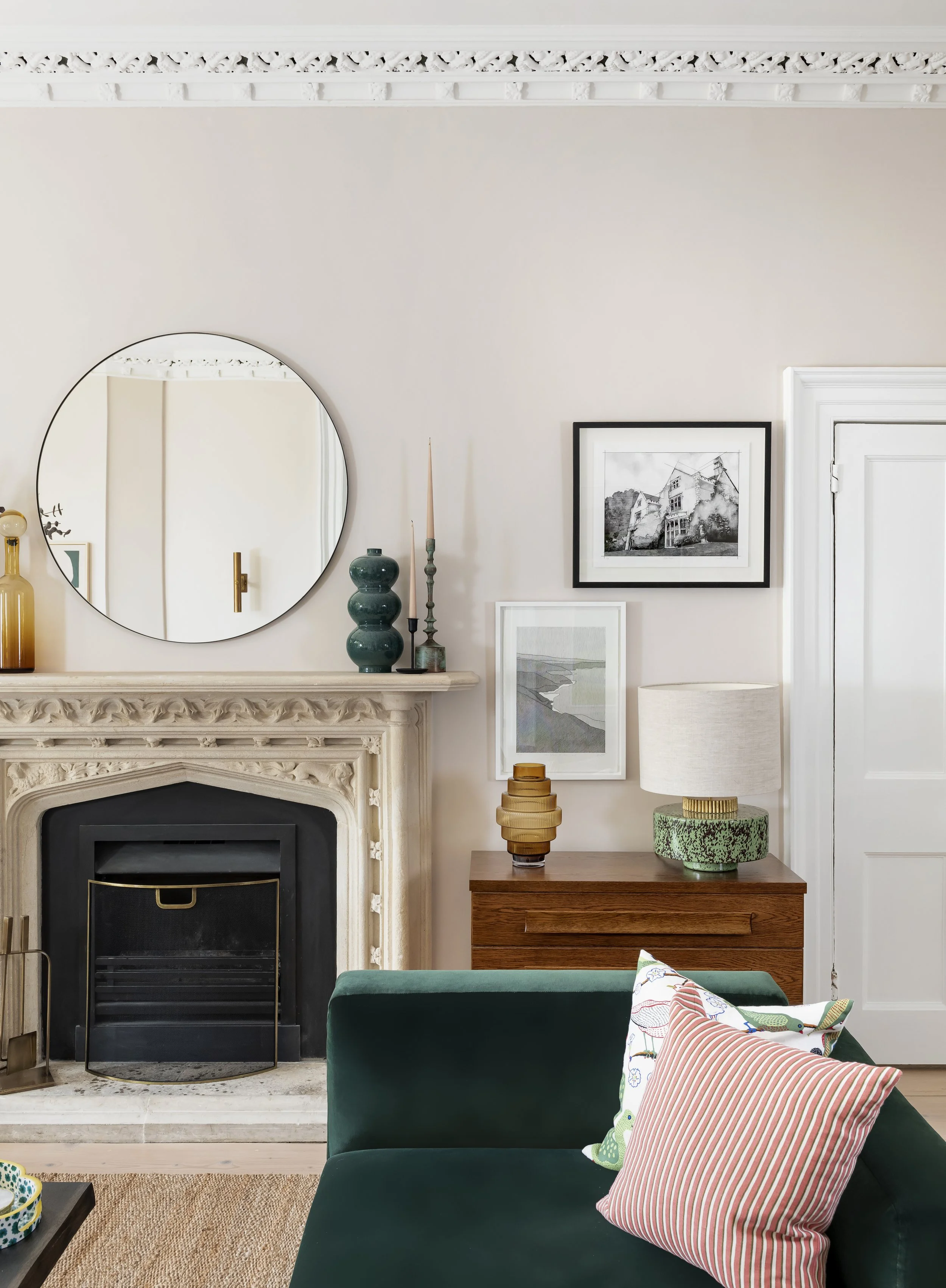
I work on a lot of period properties, so often the goal is to strip things back and let the architecture speak for itself rather than overpowering it. I think the best interiors feel calm, natural and connected to the house.
Residential projects also become surprisingly personal – after one or two years working on a house, you become incredibly immersed in people's lives and inevitably become emotionally invested in both the property and the family living there.
What’s the biggest challenge when approaching a whole-house renovation?
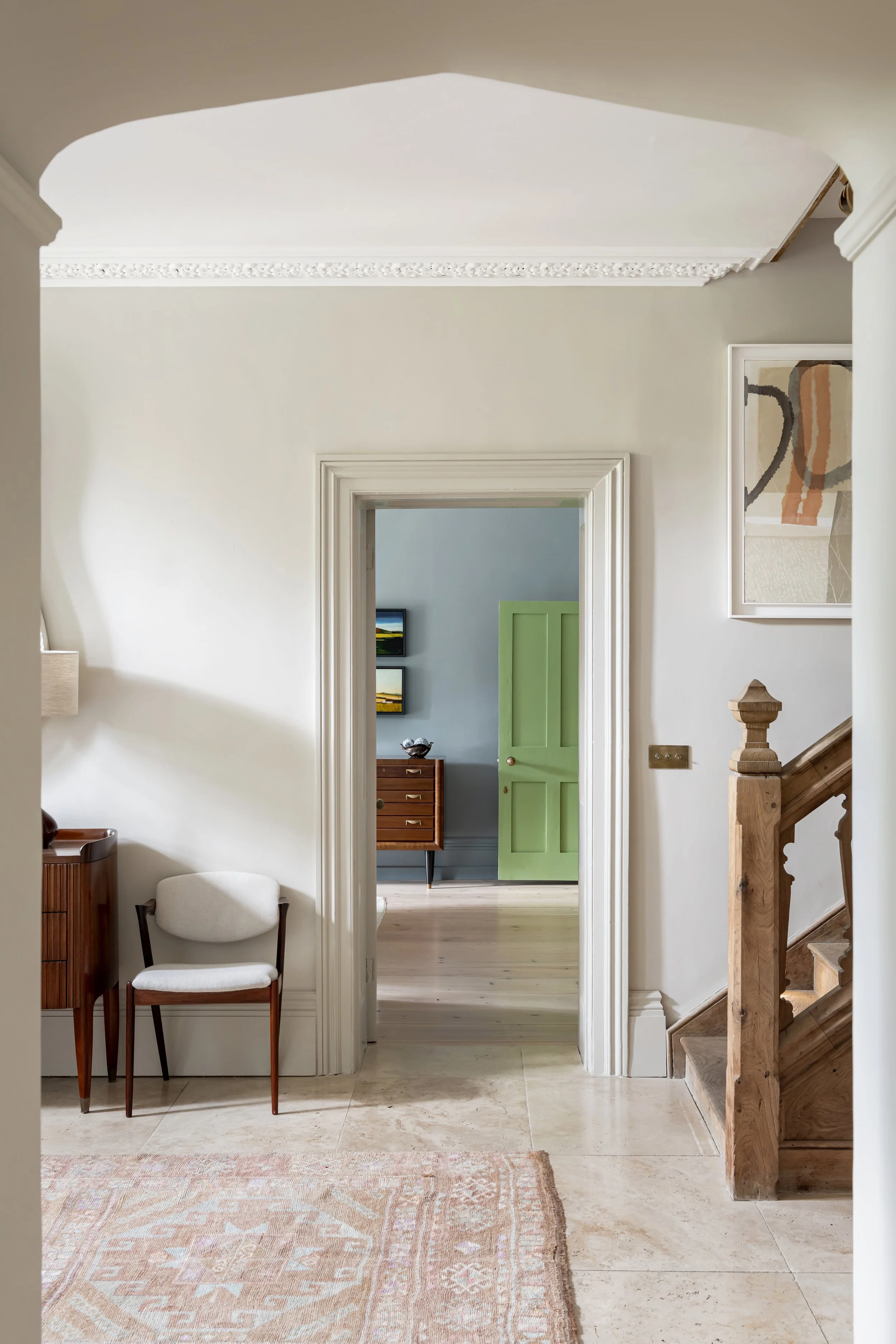
Creating cohesion throughout the house without it feeling too “themey”. You want every room to feel connected, but still have its own atmosphere and personality.
I think restraint is also incredibly important, particularly in older houses. Often the best approach is simplifying, editing and preserving original features wherever possible rather than constantly adding more.
A huge part of the job is listening properly – family members often come to a project with very different ideas about how they want their home to feel. The challenge is finding the balance where everyone feels reflected in the final design. I think the best interiors come from combining a strong design vision with a deep understanding of the people living there, creating spaces that feel well designed and that reflect the personalities of the people living there.
Are there aspects of a renovation that clients consistently underestimate, either financially or emotionally?
Emotionally, definitely the sheer number of decisions involved. Even very decisive people eventually reach a point where they never want to look at another tap or fabric sample again. I also think people underestimate how personal the process becomes. A renovation affects your routines, your privacy and your sense of home for quite a long time, particularly on larger projects.
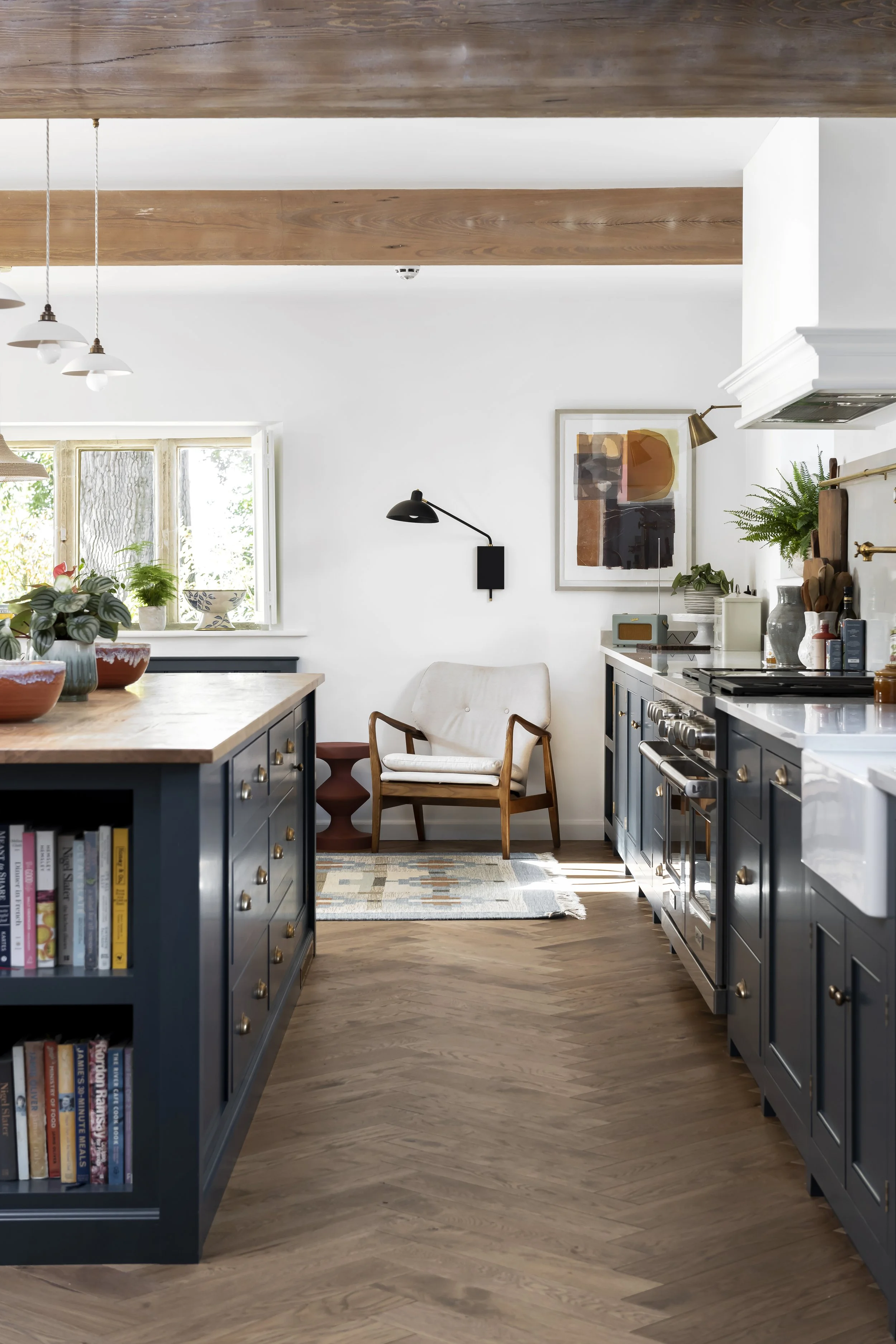
Financially, it’s often the smaller details that add up – lighting, ironmongery, joinery internals and specialist finishes all make a huge difference to how a house ultimately feels.
“I think it’s worth investing in the things you touch every day – joinery, flooring, hardware, fabrics and lighting.”
Where do you think it’s worth investing in quality, craftsmanship or materials? Equally, where can people afford to be more restrained?
I think it’s worth investing in the things you touch every day – joinery, flooring, hardware, fabrics and lighting. Where people can be more restrained is often in the decorative layer – simplicity generally ages much better than over-decoration.
We often talk about homes needing to work harder than they once did. Have you noticed a shift in how clients want to live in and use their spaces?
Definitely. People want homes to be multifunctional but at the same time remain calm and restorative. More people are working from home and generally we all have much more 'stuff', so there's much more emphasis on spaces that can adapt throughout the day with lots of clever storage. At the same time, people want their homes to feel like a retreat from the noise and pace of everyday life.
What details tend to have the biggest impact on how a home feels day-to-day, even if they’re not immediately obvious?
Lighting makes an enormous difference – not just the fittings themselves, but the overall quality and atmosphere of light within a room.
I also think the quieter details matter hugely: good storage, thoughtful joinery, texture, proportion and natural materials that age beautifully over time. I’m very lucky to work with some exceptional craftsmen and artisans – curtain makers, joiners and contractors whose skill and attention to detail are what ultimately bring the designs to life and create homes that feel lasting, considered and beautifully made.
How important is bespoke joinery within your projects? What can it achieve that off-the-shelf solutions can’t?
Bespoke joinery is hugely important because it allows a home to feel completely tailored to both the architecture and the people living there.
In period houses especially, it creates a level of cohesion, functionality and calm that’s very difficult to achieve with off-the-shelf pieces alone.
Are there any houses, designers or architects whose work you continually return to for inspiration?
I’m always drawn to interiors that feel restrained, timeless and comfortable – in the work of designers like Rose Uniacke and Maria Speake there’s a simplicity and quiet confidence to their work that I really love.
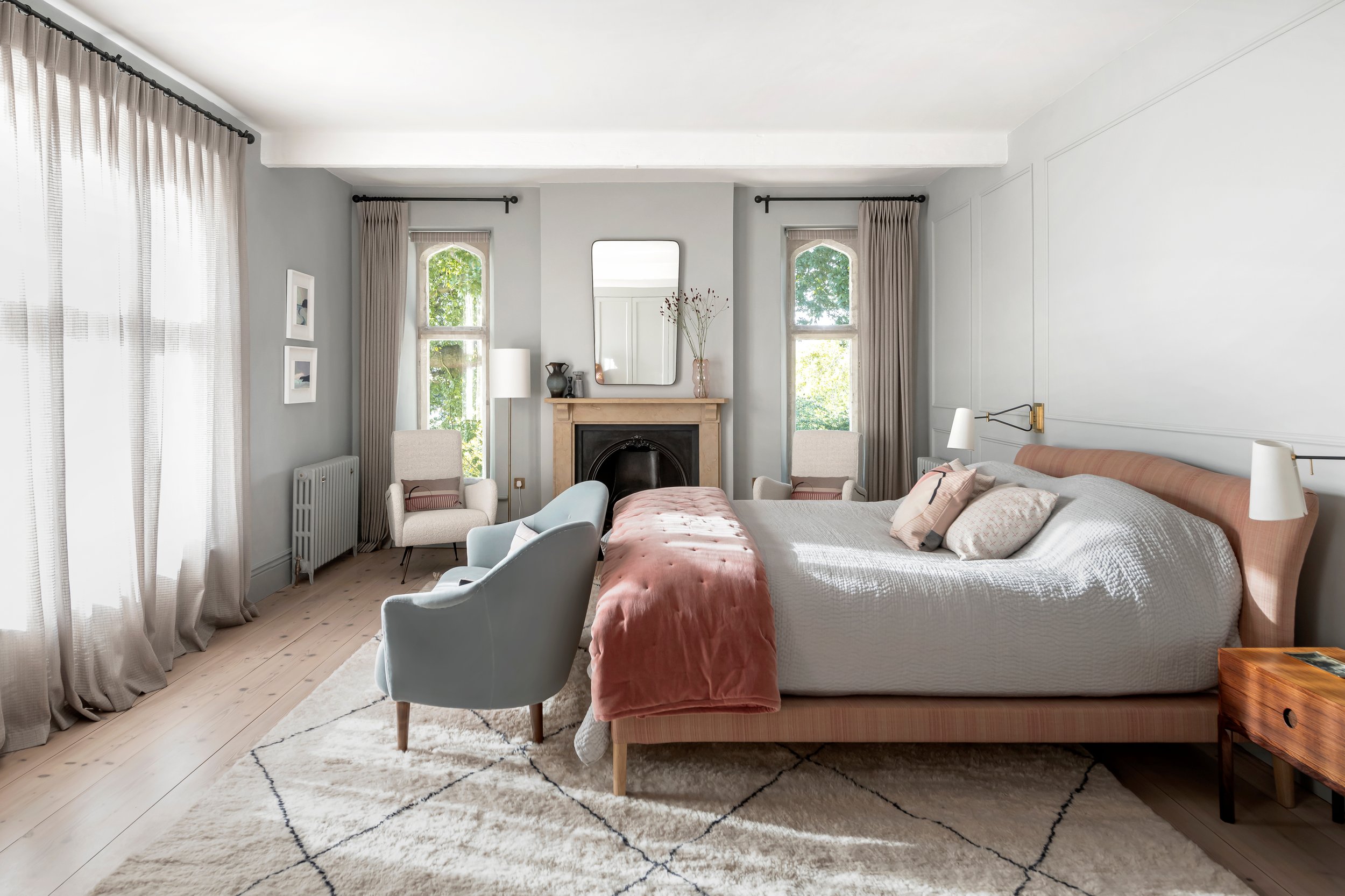
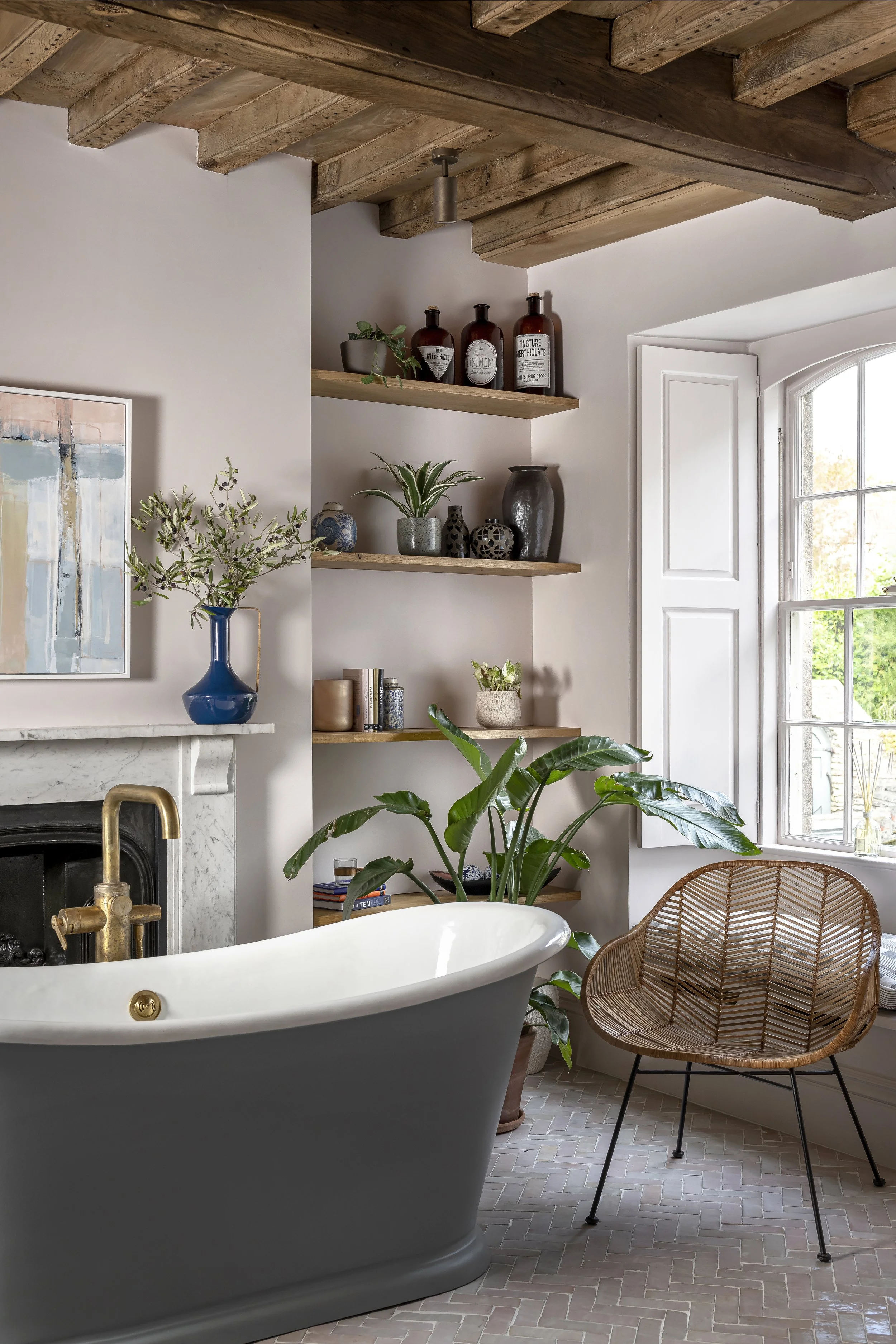
One of the bedrooms at Upton House
Looking back across your work, is there a particular project, room or detail that still feels especially meaningful to you?
A bedroom we designed at Upton House still stands out to me.
The original layout had been divided up rather awkwardly, creating a dark bedroom and a complicated bathroom arrangement. We completely reworked it into a calm, light-filled bedroom, with views over the garden and a much more cohesive dressing room and bathroom.
Generally, the world we live in is so driven by materialistic culture and planned obsolescence, that it is really meaningful to me to try to strip this away, giving my clients a space that feels like it can be trusted. Good quality lasting pieces, that can be passed down for generations, and have a timeless feeling to them, helps create a feeling of permanence and therefore home.
